
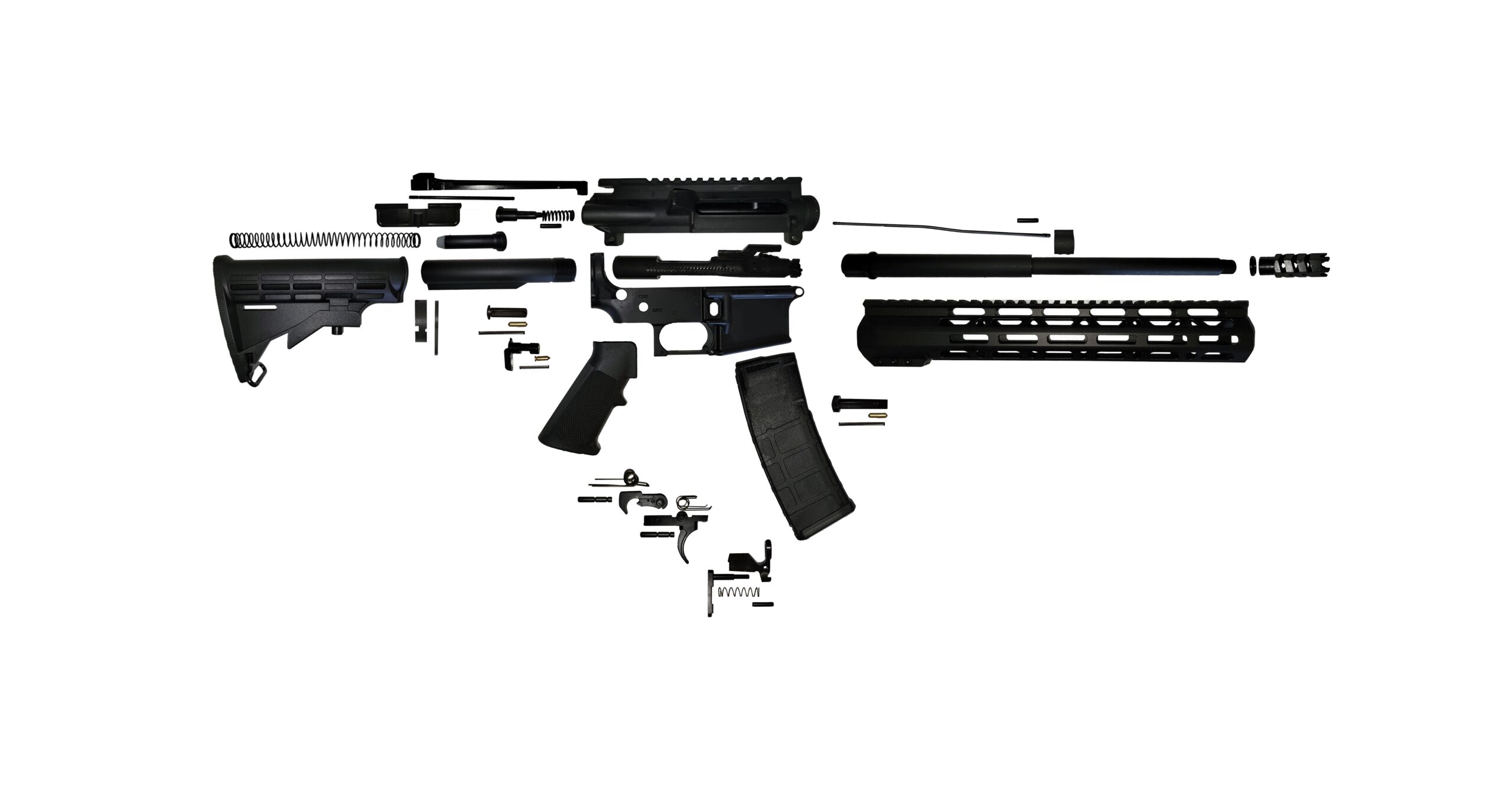
Complete Configuration Guide to Building a Custom AR-15 Upper
Key Takeaways / Summary:
- Select a forged or billet upper receiver as the core structural foundation for your assembly.
- Match barrel length and caliber with a carbine, mid-length, or rifle gas system to ensure reliable cycling.
- Complete the upper by pairing a sturdy handguard, a durable bolt carrier group, and your preferred muzzle device.
Building a custom AR-15 upper receiver allows you to tailor every detail of your setup to match your specific shooting application. Since 2002, JSE Surplus has specialized in supplying reliable AR-15 components, helping shooters assemble setups built for target shooting, hunting, or duty use. With millions of potential component combinations available, understanding how each part fits together ensures a dependable build that performs consistently.
Selecting the Right Foundation: Upper Receiver Options
The upper receiver serves as the primary host for the barrel, bolt carrier group, and handguard, establishing the overall rigidity and alignment of the firearm. Forged upper receivers are the standard mil-spec choice, offering exceptional strength, durability, and an affordable price point that makes them ideal for general-purpose builds and rough field use. In contrast, billet upper receivers are CNC-machined from solid aluminum blocks, providing unique aesthetic designs, tighter tolerances, and specialized features like integrated scope mounts or sleek, custom lines.
Barrel Selection Matrix & Gas System Matching
The barrel determines the caliber, accuracy, and overall balance of the firearm. Pairing the correct barrel length with an appropriate gas system ensures smooth operation and manageable recoil.
- Pistol Gas Systems: Typically used for barrel lengths under 10 inches or specialty calibers like 300 Blackout.
- Carbine Gas Systems: Common on 10.5-inch to 14.5-inch barrels, and some 16” barrels, offering robust cycling.
- Mid-Length Gas Systems: Ideal for standard 16-inch barrels, providing reduced felt recoil and less mechanical wear on internal components compared to carbine systems on equal lengths.
- Rifle Gas Systems: Found on some 18-inch and most 20-inch barrels, delivering the smoothest cycling action for long-range precision setups.
Choosing Your Handguard Types, BCG, and Muzzle Devices
Once the barrel and receiver are selected, completing the upper assembly requires three core hardware choices:
Handguard Types
Free-float handguards attach solely to the upper receiver without touching the barrel, maximizing mechanical accuracy. M-LOK handguards offer lightweight mounting for lights, grips, and bipods. Picatinny quad rails deliver heavy-duty attachment options for rugged, tactical applications.
Bolt Carrier Group (BCG)
The BCG handles feeding, firing, extraction, and ejection. Full-auto profile mil-spec BCGs featuring durable coatings like nitride, nickel boron, or phosphate ensure smooth cycling and long service life.
Muzzle Devices
When selecting a muzzle device, consider your shooting priorities: flash hiders reduce visible muzzle flash in low-light settings, muzzle brakes redirect gas to minimize felt recoil and muzzle rise for faster follow-up shots, compensators help maintain a flat muzzle during rapid fire, and suppressor adapters allow for the quick attachment of rifle suppressors to reduce both sound and recoil.
Start Your Custom Build Today
Building a custom AR-15 upper lets you take full control of your rifle’s performance, ergonomics, and appearance. Find out for yourself why so many trust JSE Surplus for their AR-15 needs:
“Very well stocked store for all your AR-15 work!” – D. R., Google Reviews
Explore our full selection of quality parts at JSE Surplus to begin sourcing your components, or reach out directly through our contact page for technical assistance from our experienced team.
Image credit: // Shutterstock // DevTronix Solutions LLC